

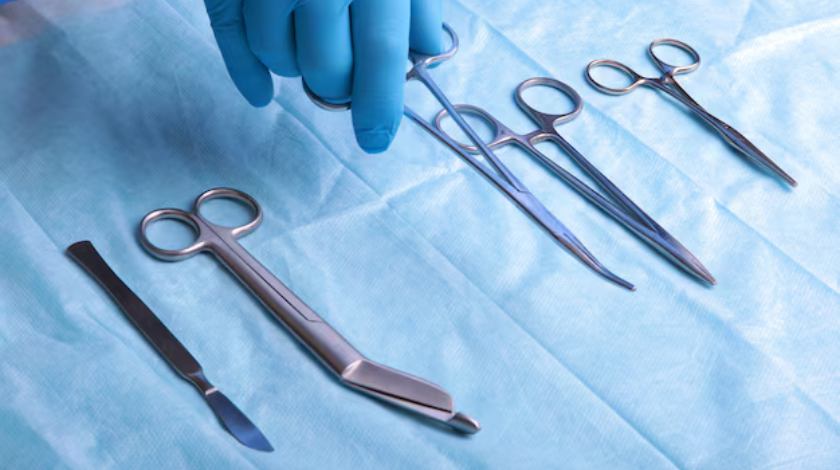
In the realm of surgical instrumentation, precision and reliability are paramount. Among the numerous tools in a surgeon’s arsenal, Megal forceps have emerged as a preferred choice in various surgical and diagnostic procedures. These forceps are renowned for their versatility, ergonomic design, and precise control, making them indispensable in both routine and complex medical practices.
What Are Megal Forceps?
Megal forceps are specialized surgical instruments designed to grasp, manipulate, and hold tissues or objects during medical procedures. Constructed typically from high-grade stainless steel, these forceps are corrosion-resistant, autoclavable, and designed for repeated use without degradation in performance.
Their construction includes:
-
Serrated or smooth jaws depending on the surgical requirement
-
Angled or straight designs to improve access to deep or narrow anatomical areas
-
A ratcheted locking mechanism for firm grip when needed
-
Non-slip, ergonomic handles to reduce hand fatigue during prolonged use
These design elements make Megal forceps especially valuable in general surgery, gynecology, urology, otolaryngology, and microsurgery.
Types of Megal Forceps and Their Uses
There are various types of Megal forceps, each engineered for specific procedures. Understanding these differences ensures optimal selection and application in clinical practice.
1. Straight Megal Forceps
Ideal for surface-level surgeries and tissue handling, straight Megal forceps offer direct line-of-sight access, making them a go-to choice in:
-
Minor skin surgeries
-
Suture removal
-
Foreign body retrieval
-
Dressing and wound care
2. Curved Megal Forceps
With a gentle arc, these are suited for deep tissue operations and navigating around anatomical curves. Most often used in:
-
Abdominal surgeries
-
Pelvic operations
-
ENT procedures
-
Cardiothoracic interventions
3. Micro Megal Forceps
Designed for microsurgical and delicate tissue manipulation, these are precision instruments used in:
-
Neurosurgery
-
Ophthalmology
-
Reconstructive plastic surgeries
4. Locking Megal Forceps
Featuring a ratchet lock, these forceps allow hands-free tissue retention. They are used extensively in:
-
Hemostasis (to clamp blood vessels)
-
Tissue traction
-
Holding surgical materials or instruments
Key Advantages of Using Megal Forceps
When evaluating surgical instruments, performance and precision are critical. Megal forceps are engineered to provide several key benefits that improve surgical efficiency and outcomes.
Superior Material Composition
Manufactured from surgical-grade stainless steel or titanium, Megal forceps offer:
-
Resistance to corrosion and rust
-
Longevity under repeated sterilization cycles
-
Biocompatibility, minimizing the risk of allergic reactions or contamination
Enhanced Ergonomic Design
Designed with surgeon comfort in mind, the forceps have:
-
Anti-slip grip handles
-
Optimized balance and weight distribution
-
Spring tension mechanisms for controlled closing pressure
These ergonomic enhancements reduce hand strain and fatigue, especially during long surgical procedures.
Precision and Control
Megal forceps deliver superior tactile feedback, enabling:
-
Delicate manipulation of soft tissues
-
Secure grasp on sutures, vessels, or gauze
-
Precise dissection in confined spaces
This precision enhances patient safety and surgical accuracy, reducing the risk of iatrogenic injury.
Clinical Applications of Megal Forceps
Due to their versatility, Megal forceps are used across a range of specialties. Their adoption is widespread in:
General Surgery
Used for tissue dissection, bleeding control, and dressing, Megal forceps are essential in both open and laparoscopic procedures.
Gynecology
Gynecologists employ Megal forceps in D&C procedures, IUD placements, and biopsy retrievals, owing to their slim, elongated profiles.
ENT (Ear, Nose, Throat)
ENT surgeons utilize these forceps for foreign body removal, nasal packing, and micro-laryngeal surgeries, thanks to the instrument’s delicate precision.
Dentistry and Oral Surgery
Oral surgeons use Megal forceps for root tip extractions, implant placements, and soft tissue manipulation, favoring their firm grip and reduced trauma to tissues.
Veterinary Use
Megal forceps are also widely used in veterinary medicine, from routine procedures to specialized surgeries in animals, demonstrating their adaptability across species.
Sterilization and Maintenance Protocols
Proper care of Megal forceps ensures long-term performance and hygiene standards.
Recommended Sterilization Steps:
-
Pre-cleaning: Immediately after use, rinse the forceps in cold distilled water to remove blood and debris.
-
Ultrasonic Cleaning: Use an ultrasonic cleaner with an enzymatic solution to remove microscopic particles.
-
Autoclaving: Sterilize at 121°C (250°F) for at least 15 minutes or follow hospital-specific protocols.
-
Inspection: Check for alignment, jaw tension, and locking mechanism functionality before re-use.
-
Lubrication: Apply instrument milk periodically to hinge joints to maintain smooth operation.
Neglecting proper sterilization may compromise instrument integrity and patient safety.
How to Select the Right Megal Forceps
Choosing the appropriate type of Megal forceps depends on several critical factors:
-
Procedure type: Match the forceps design (curved vs straight) to the surgical requirements.
-
Tissue type: Delicate tissues require smooth jaws, while fibrous tissue benefits from serrated jaws.
-
Access depth: Deep cavity surgeries need longer, curved designs for better navigation.
-
Surgeon preference: Handle type and grip design should align with surgeon comfort and style.
Always purchase from reputable medical suppliers who comply with FDA, CE, or ISO certifications to guarantee instrument safety and reliability.
Conclusion: The Essential Role of Megal Forceps in Modern Surgery
Megal forceps represent the pinnacle of surgical instrument engineering, combining durability, precision, and ergonomic design to serve a wide spectrum of clinical needs. Whether used in routine procedures or complex surgical interventions, their contribution to successful outcomes cannot be overstated.
As healthcare professionals, investing in high-quality, versatile tools like Megal forceps is a decision that supports both patient care excellence and operational efficiency.
