

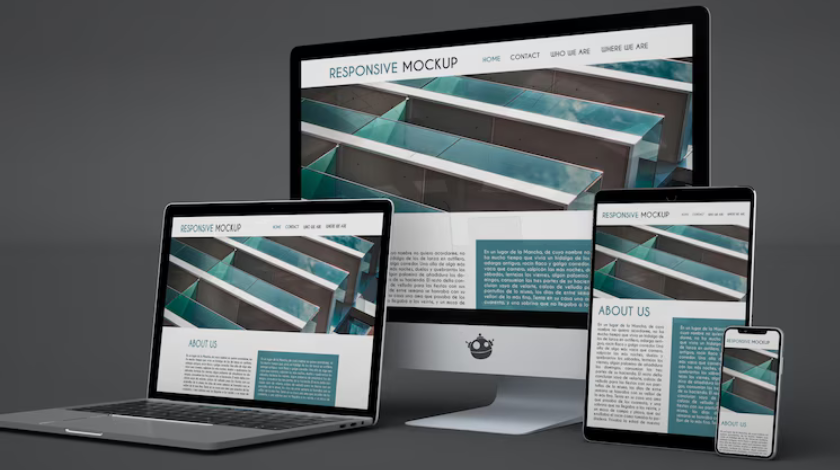
Welcome to the age where your phone talks to your laptop, your tablet mirrors your desktop, and your smart speaker reminds you of calendar events you scheduled on your PC. Wild, right?
In this article, we dive deep into what it truly means when “each computer has their own tablet/phone” and what the mysterious term “they emphiziz” (a creative spelling of “emphasize”) really refers to. Spoiler alert: it’s about way more than just gadgets.
What Does “Each Computer Has Their Own Tablet/Phone” Really Mean?
The Rise of Device Ecosystems
Today, it’s no longer about owning just a laptop or just a phone. It’s about how multiple devices work together, forming a cohesive digital ecosystem. Think of your phone, tablet, and computer as teammates they complement each other and pass the baton smoothly, depending on your task.
Interconnectivity in the Digital Age
We live in a hyperconnected world. Whether it’s answering a call on your laptop that rings on your phone or copying text on your tablet and pasting it on your desktop this device harmony is what defines our modern tech experience.
Breaking Down “They Emphiziz”
Emphasis on User Experience
“They emphiziz” is all about how brands and platforms are focusing on user experience. Companies are going all-in on making sure your interaction with their products feels intuitive, seamless, and frankly, a bit magical.
Personalized Digital Environments
Each computer (or user device) emphasizes or “emphiziz” different things based on user behavior. Your phone might be all about notifications and quick responses, while your desktop could be your productivity powerhouse.
Computers and Companion Devices
Why Tablets and Phones Are Extensions of Computers
Your tablet isn’t just a bigger phone. It’s often an extension of your computer think drawing with Apple Pencil, running business apps, or taking notes during meetings. The lines are blurring between “main” and “companion” devices.
Seamless Synchronization and Continuity
Apple’s “Handoff,” Microsoft’s “Your Phone,” and Google’s “Nearby Share” these features let you start something on one device and finish on another without friction. That’s not coincidence. That’s intentional emphasis.
The Power of Ecosystems (Apple, Google, Microsoft)
Apple’s Unified Experience
Apple nails this with iCloud, Handoff, AirDrop, and Universal Clipboard. Whether it’s replying to a message from your Mac or sharing a file from your iPhone, it just works.
Google’s Cloud-Centric Integration
Google leans on its cloud-first ecosystem. Gmail, Drive, Chrome, and Android all sync perfectly. One login, all access.
Microsoft’s Cross-Device Productivity
Windows PCs + Surface devices + Android = a surprisingly strong team. With Microsoft 365, OneDrive, and Edge, you can flip between devices like a pro.
The Role of Cloud Computing
Data Access Anywhere
Cloud storage is the glue that holds all this together. You can edit a doc on your phone, check it on your tablet, and finalize it on your laptop. No cables, no USBs just Wi-Fi.
Real-Time Sync and Collaboration
Tools like Google Docs, Notion, and OneNote allow for live collaboration. Whether you’re in a meeting or on the move, your data is always in sync.
Personalization: The Core of Modern Computing
Adaptive Interfaces and User Behavior
Your device learns from you. That’s right AI and machine learning analyze your habits to adapt your experience. Smart widgets, predictive typing, and customized notifications are examples.
AI-Powered Custom Experiences
From Siri to Google Assistant to Copilot, AI is now a core feature, not a gimmick. It helps prioritize tasks, organize data, and simplify workflows across all your devices.
The Importance of Emphasizing Security
Multi-Device Security Challenges
More devices = more points of attack. Cybersecurity today must be ecosystem-wide, protecting not just your files but the connection between devices.
Encryption and Authentication Measures
From Face ID to fingerprint scanners to multi-factor authentication, companies are emphasizing (yep, “emphizizing”) better security to protect the fluid movement of your data.
The Impact on Productivity
Working Across Devices
Being able to start a design on your tablet, continue editing on your PC, and then show it off on your phone? That’s next-level workflow. It’s the kind of flexibility that fuels remote work, creativity, and speed.
Apps Designed for Ecosystem Flow
Apps like Slack, Trello, Zoom, and Canva are now built to look and function similarly across all platforms, giving users a consistent experience.
Educational and Professional Applications
Students Using Multi-Device Setups
From tablets in classrooms to laptops at home, students are becoming multitaskers by default. Education platforms like Google Classroom and Microsoft Teams are built with this in mind.
Businesses Embracing Device Synergy
Companies now expect employees to collaborate across devices. Meetings happen via phones, files get reviewed on tablets, and presentations are crafted on desktops.
Future Trends in Device Integration
IoT and Smart Ecosystems
Smartwatches, smart fridges, smart lights all of these are becoming part of a larger Internet of Things (IoT) where your computer might just be the control hub of your entire environment.
Augmented Reality and Device Blending
Augmented Reality (AR) is bridging the gap between digital and physical. Soon, your tablet might act as a window into 3D holograms created on your computer.
The Psychological Effect of Device Dependency
Are We Too Connected?
Let’s be real being this connected can sometimes feel overwhelming. Notifications from every device can blur the line between work and rest.
Mindful Tech Use and Digital Well-being
That’s why features like Focus Mode, Digital Wellbeing, and Screen Time are becoming just as essential as Wi-Fi. It’s about emphasizing balance, too.
Challenges and Limitations
Compatibility Issues
Not all devices play nice. If you mix and match brands, you might lose some of that ecosystem magic.
Privacy Concerns
With everything synced, your personal data is everywhere. That’s why encryption, secure servers, and ethical data policies are critical.
Conclusion
So, what does it mean when each computer has their own tablet/phone and they “emphiziz”? It means we’re living in a time where your tech is more than just tools they’re smart, personalized teammates built to support your daily life. Whether you’re working, learning, creating, or just scrolling TikTok, your devices are speaking the same language, and that’s the beauty of modern digital living.
FAQs
Q1: What is meant by “Each computer has their own tablet/phone”?
It means that each computing system is now part of a broader ecosystem, often paired with a phone or tablet to enhance functionality and user experience.
Q2: What does “They Emphiziz” refer to in this context?
“They emphiziz” is a creative way of saying that tech platforms emphasize seamless integration, personalization, and user experience across devices.
Q3: How do tech ecosystems benefit users?
They provide seamless data sharing, unified interfaces, better productivity, and personalized experiences across all connected devices.
Q4: What are the risks of device interconnectivity?
Security vulnerabilities, data privacy issues, and dependency on one ecosystem or cloud service are potential risks.
Q5: Can you use different brands in one ecosystem?
Yes, but the experience may not be as seamless. Cross-platform tools exist, but tight integration is usually best within a single brand’s ecosystem.
